
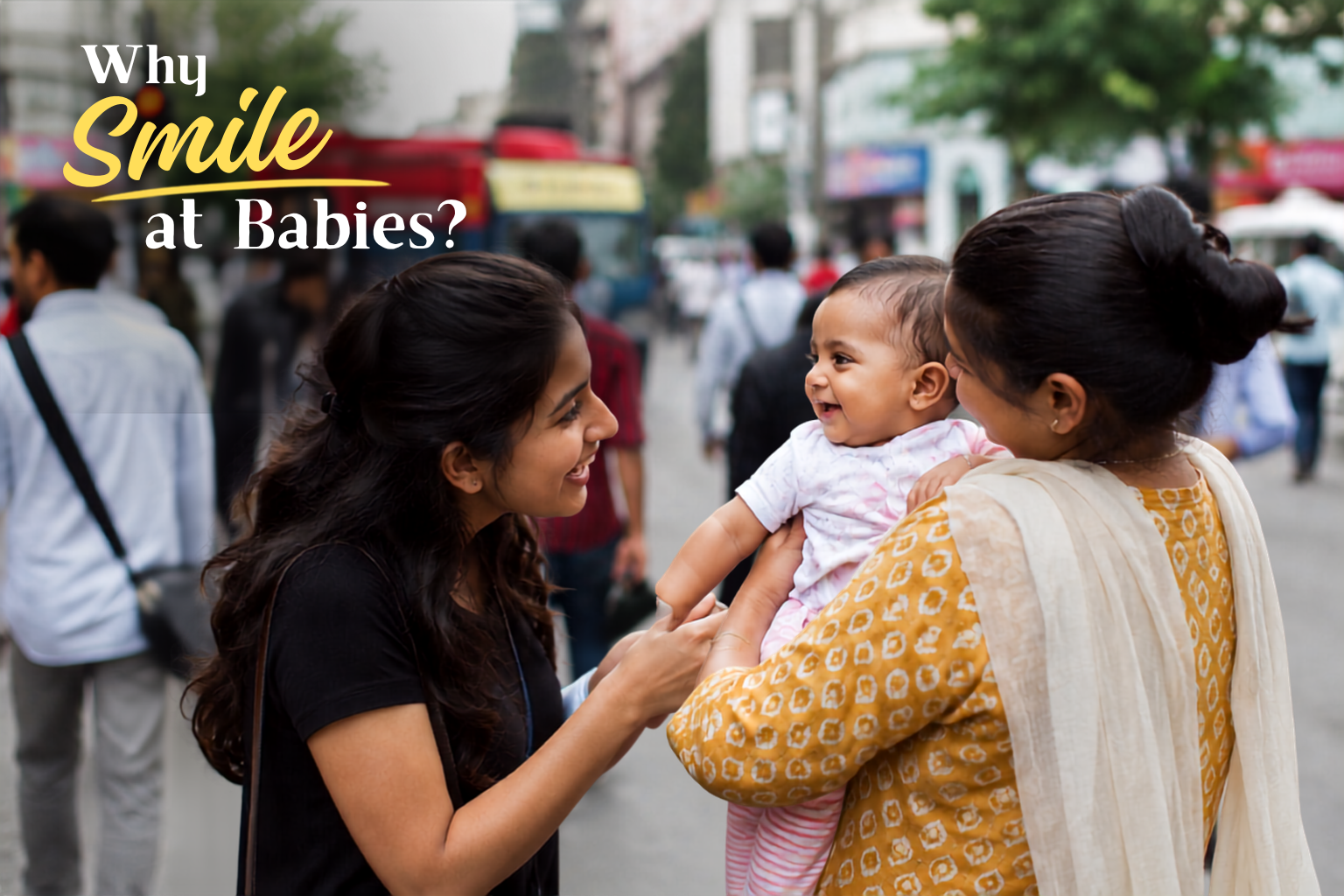
Have you ever noticed yourself smiling at a baby even though you have never met them before? It happens almost instantly. A baby looks at you with curious eyes, gives a tiny smile, or waves a little hand, and you naturally smile back. Most people don’t even think about why this happens. But if you have ever wondered why do babies make us smile, the answer is much more interesting than simply saying that babies are cute. It is actually connected to the way our brains have evolved over thousands of years.
Our Brain Is Naturally Programmed to Notice Babies
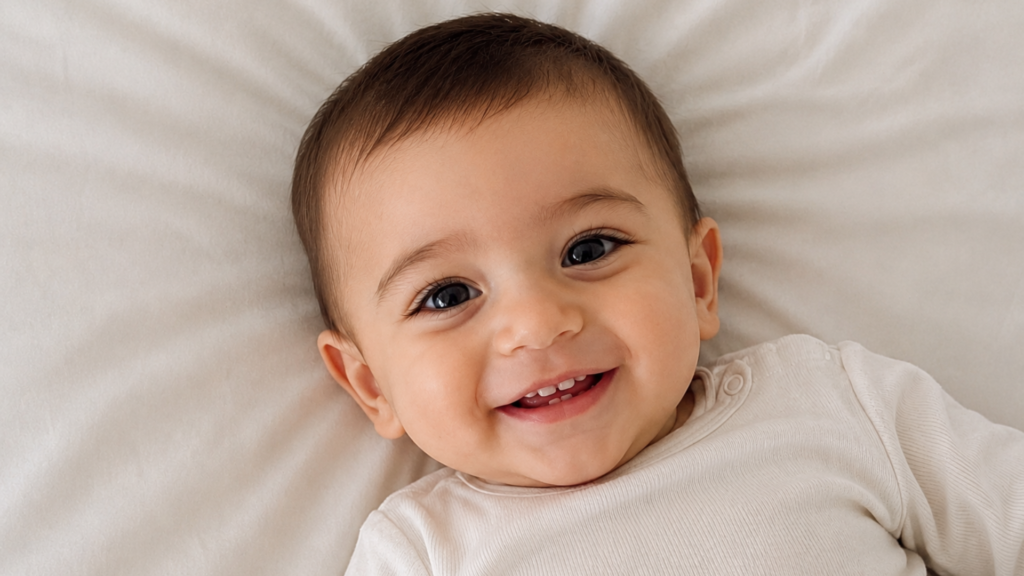
One of the biggest reasons why do babies make us smile is that our brains are naturally designed to notice them. Human babies are completely dependent on adults for survival, so over time our brains evolved to respond quickly to their appearance. Babies have large eyes, round cheeks, tiny noses, soft skin, and innocent facial expressions. Scientists call this the baby schema or the cute baby effect. These special features make babies look harmless and lovable, encouraging adults to care for and protect them. This natural instinct is so powerful that even people who are not parents often feel happy when they see a smiling baby.
A Baby’s Smile Makes Us Feel Good
Have you ever felt your mood improve after seeing a happy baby? That is because interacting with babies activates the reward system in our brain. When we look at a smiling baby, our brain releases chemicals such as dopamine and oxytocin, which are often called the “feel-good hormones.” These chemicals create feelings of happiness, comfort, and emotional connection. This is why a baby’s laughter or cheerful smile can brighten our day, even if we were feeling stressed just a few moments earlier. The science behind baby smiles shows that babies do not only make themselves happy—they also make the people around them happier.
Babies Remind Us of Simpler Times
Life as an adult is often filled with responsibilities, deadlines, and constant stress. Babies, however, live in the present moment. They laugh freely, become excited by the smallest things, and express their emotions honestly without worrying about what others think. Watching them reminds us of the innocence and joy that we all experienced as children. This emotional connection is another reason why we love babies so much. Their simple happiness encourages us to slow down, smile, and enjoy the little moments in life.
Smiling Helps Us Connect with Babies
A baby’s smile is not just adorable—it is also an important way of building relationships. When a baby smiles at someone, that person usually smiles back without even thinking about it. This creates a positive interaction that helps build trust and emotional bonding. Scientists believe that this natural exchange has helped humans create strong family and social relationships throughout history. Even though babies cannot speak, their facial expressions are powerful enough to communicate feelings of safety, warmth, and affection. This is one of the reasons the baby smile psychology fascinates researchers around the world.
Does Everyone Smile at Babies?
Although most people naturally smile at babies, the reaction is not exactly the same for everyone. A person’s mood, personality, or life experiences can influence how they respond. Parents usually feel the strongest emotional connection because they spend more time caring for children. However, even people who have never had children often smile when they see a baby’s innocent face. This shows that the human instinct toward babies is deeply rooted in our psychology rather than being something we consciously choose.
FAQs
Why do babies make us smile even if we don’t know them? Babies have facial features such as big eyes, round cheeks, and gentle expressions that naturally attract our attention. These features activate the brain’s reward system, making us feel happy and encouraging us to smile back, even if the baby is a stranger.
Why are babies considered so cute? Scientists believe that babies have a unique set of physical features called the baby schema, including large eyes, a small nose, and a round face. These characteristics trigger our natural instinct to care for and protect them, making babies appear adorable to most people.
Does smiling at babies benefit adults too? Yes. Smiling at babies can improve an adult’s mood by releasing feel-good chemicals like dopamine and oxytocin in the brain. This positive emotional response helps reduce stress and creates a feeling of warmth and connection.
Conclusion
The next time you ask yourself why do babies make us smile, remember that it is much more than a simple emotional reaction. Our brains are naturally programmed to notice babies, respond to their innocent features, and build emotional connections with them. Their smiles activate the reward centers in our brains, reminding us of happiness, kindness, and human connection. Perhaps that is why a baby’s smile has the amazing power to brighten even the busiest and most stressful day. Sometimes, the smallest smile can remind us of the simplest joys in life.
