
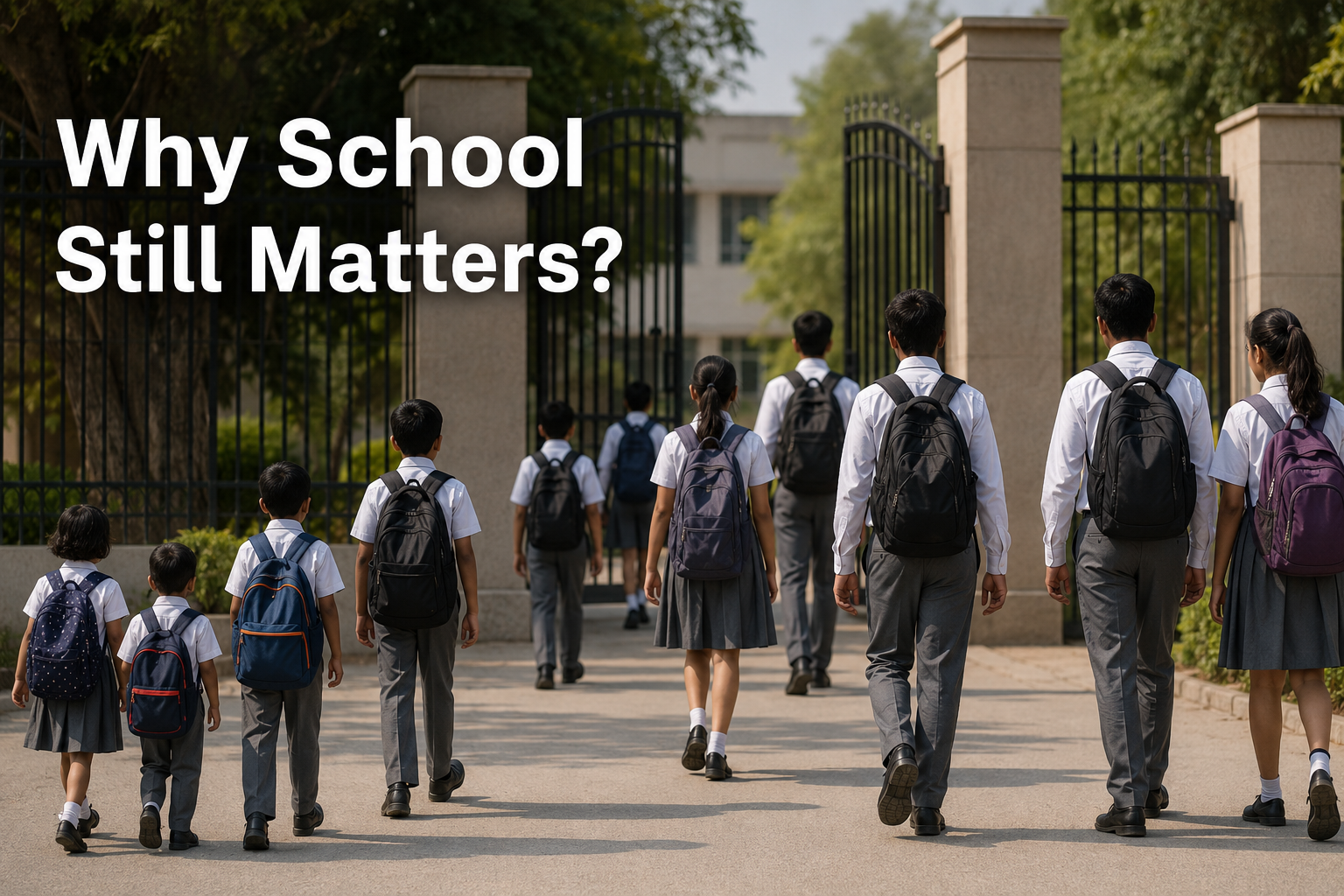
Technology has changed the way children learn. Today, a child can learn coding from YouTube, complete a full course on an app, or join a live class with a teacher sitting in another country. Even with so many digital learning options, why do parents still send their children to school?
Whether they are rich or poor, living in a village or a big city, most parents still believe in the value of traditional schooling. In this article, we will explore why do parents still send their children to school despite the growth of online education. By the end, you will understand why school education in the digital age continues to play an important role in a child’s overall development.
Online Learning Is Helpful, But It Has Limits
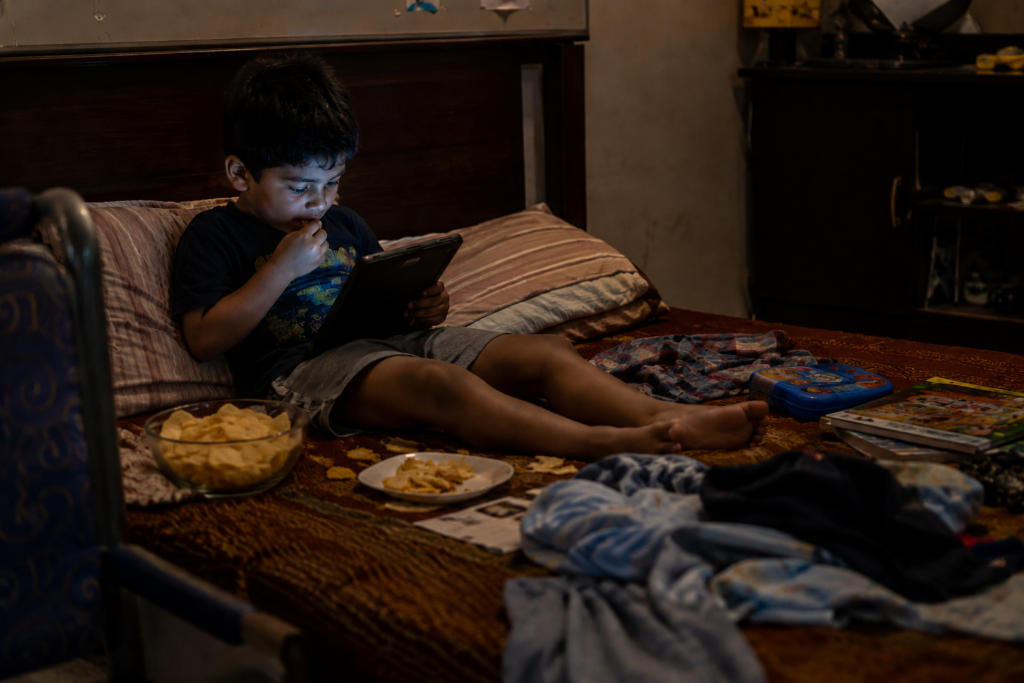
Online learning is excellent for short lessons, extra practice, or learning new skills. However, it cannot replace everything a child needs to grow. A screen cannot read a child’s body language, notice when they are confused, or stop them from getting distracted during a lesson.
A teacher in a physical classroom can quickly understand a student’s needs, answer questions, and provide personal guidance. This is one of the biggest reasons why parents still send their children to school instead of depending only on apps and videos. It also highlights the difference in the debate of online learning vs school.
School Builds Social Skills That Screens Cannot Teach
One of the biggest benefits of going to school is social development. At school, children learn how to communicate with classmates, work in teams, solve small conflicts, and respect different opinions.
These life skills are difficult to develop while studying alone at home. A child who learns only through digital platforms may gain knowledge but struggle with teamwork and communication later in life. This is another important reason why parents still send their children to school. They want their children to grow socially as well as academically.
Discipline and Routine Come Naturally at School
A school day follows a structured routine—waking up on time, getting ready, attending classes, and completing homework. This daily schedule helps children develop discipline and responsibility.
At home, distractions such as mobile phones, television, and games can easily affect learning. Many parents believe that classroom learning provides a focused environment that keeps children motivated. This is another reason why parents still send their children to school, even when high-quality online courses are available.
School Gives Equal Opportunity to Every Child
Not every family has access to high-speed internet, laptops, or a quiet study space. Physical schools, especially government and affordable private schools, provide equal learning opportunities to children from different financial backgrounds.
Every child gets the chance to learn from qualified teachers, ask questions, and study alongside classmates. This is one of the strongest reasons why parents prefer offline education for their children, regardless of their income level. School education continues to bridge the gap between children from different backgrounds.
FAQs
Can online learning fully replace school? No. Online learning is an excellent support tool, but it cannot replace the importance of school education. Schools help children develop social skills, discipline, confidence, and receive personal guidance from teachers every day.
Why do even rich parents send their children to school instead of hiring private tutors at home? Even if they can afford private tutors, most wealthy parents still choose traditional schooling because schools provide teamwork, friendships, leadership opportunities, and real-life experiences that home tutoring cannot offer.
Does school location (city vs. village) change why parents send children to school? No. The main reasons remain the same everywhere. Whether parents live in a village or a city, they want their children to receive quality education, develop social skills, build discipline, and prepare for future opportunities. The school environment may differ, but the purpose of sending children to school remains the same.
Conclusion
Technology has made education more flexible, but it has not replaced the value of physical schools. From social skills and discipline to equal opportunities and personal growth, schools provide experiences that screens alone cannot offer.
This is exactly why parents still send their children to school in the digital age. While online learning is a valuable addition, it works best alongside classroom education rather than replacing it. If you found this article helpful, explore more parenting and education guides on wordTrail.blog and share your thoughts in the comments.
